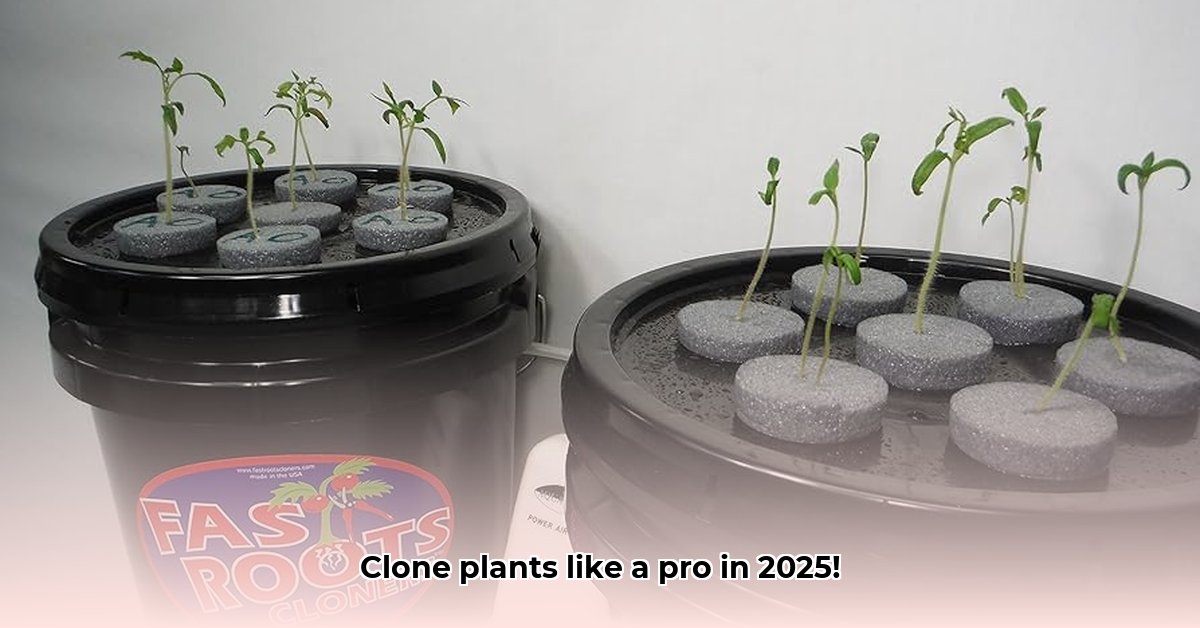
Want to effortlessly propagate your favorite plants? Plant cloning offers a simple and effective solution. This comprehensive guide will help you navigate the world of plant cloners, from understanding the different systems to optimizing your setup for maximum success. Whether you're a seasoned grower or a curious beginner, we'll empower you to make informed decisions and achieve thriving results.
Aeroponic vs. Bubble Cloners: A Detailed Comparison
Two primary cloning methods dominate the market: aeroponic and bubble cloners. Each offers unique advantages and disadvantages; understanding these differences is crucial for selecting the ideal system.
Aeroponic Cloners: These high-tech systems mist plant cuttings with a nutrient-rich solution, providing optimal oxygenation for rapid root development. Think of it as a luxurious spa treatment for your cuttings!
- Advantages: Higher success rates due to superior oxygen delivery, faster rooting times, and reduced risk of waterborne diseases.
- Disadvantages: Higher initial investment, more complex maintenance (requiring regular checks on pumps and sprayers), and potential reliance on a consistent power supply. Examples include the TurboKlone Elite.
Bubble Cloners: These simpler systems gently circulate oxygenated water around the cuttings' bases. They're more affordable and easier to maintain, making them a great entry point for beginners. Imagine a gentle jacuzzi for your plant cuttings!
- Advantages: Lower initial investment, simpler setup and maintenance, and lower energy consumption.
- Disadvantages: Potentially lower success rates due to increased risk of root rot from prolonged water contact, and slower rooting times. Examples include EZ-Clone and SuperCloner.
Here's a visual comparison:
| Feature | Aeroponic Cloners | Bubble Cloners |
|---|---|---|
| Oxygenation | Excellent; direct misting maximizes oxygen delivery | Good; air pump helps circulate oxygenated water |
| Cost | Typically higher initial investment | Generally lower initial investment |
| Maintenance | More involved; regular pump and sprayer checks needed | Simpler; mainly involves cleaning and solution changes |
| Scalability | Easier to expand for larger operations | Scaling up can be more complicated |
| Success Rate | Often higher due to superior oxygenation | Potentially lower, depending on setup and maintenance |
Which is right for you? The best choice hinges on your budget, experience level, and scale of operation. Aeroponics excels for larger commercial operations and those prioritizing speed and high success rates, while bubble cloners are perfect for hobbyists or smaller-scale projects seeking a budget-friendly and easier-to-manage approach.
Market Segmentation: Hobbyist vs. Commercial Cloners
The plant cloning market caters to diverse needs, offering a wide range of cloners tailored for specific applications.
Hobbyist Cloners: These are compact, user-friendly systems designed for home use. They typically have smaller capacities and are more affordable than commercial-grade options. Many hobbyist cloners prioritize ease of use and simplicity over high-volume production.
Commercial Cloners: These larger, more robust systems are built for high-volume production. They often feature automated functionalities to maximize efficiency and scalability, making them ideal for large-scale operations. Examples include advanced models from brands like TurboKlone Elite, designed for commercial nurseries and larger-scale operations.
Factors Affecting Cloning Success: Optimizing Your Environment
Creating the right environment is paramount for high cloning success rates. Specific environmental factors significantly impact rooting and overall plant health.
Humidity: Maintaining high humidity levels (70-80%) is crucial for preventing cuttings from dehydrating. Consider using humidity domes or humidifiers to maintain optimal moisture. Low humidity is a common culprit for cloning failure.
Temperature: A consistent temperature range of 70-75°F (21-24°C) promotes healthy root development. Fluctuations can significantly impact success rates. Use thermometers to monitor and adjust accordingly.
Lighting: Provide bright, indirect light; direct sunlight can severely damage delicate cuttings. Use fluorescent or LED grow lights with appropriate intensity and photoperiod to stimulate growth. Insufficient light leads to weak cuttings and potential failure.
While general guidelines exist, further research is needed to pinpoint ideal environmental conditions for specific plant species. This presents a valuable area for future investigation.
Cost-Effectiveness Analysis: A Long-Term Perspective
Choosing a cloner involves more than just the initial purchase price. Consider these factors for a holistic long-term cost analysis:
- Initial Investment: Aeroponic systems typically have a higher upfront cost than bubble cloners.
- Running Costs: Factor in ongoing expenses like electricity, nutrient solutions, and replacement parts.
- Maintenance: Aeroponic systems often require more frequent maintenance than bubble cloners.
- Lifespan: A longer-lasting cloner will reduce the need for frequent replacements.
- Success Rate: Higher success rates (often associated with aeroponics) can offset higher initial investment costs over time.
A detailed cost-benefit analysis should account for all these factors to determine the most economically viable option for your specific needs and scale of operation.
Risk Assessment and Mitigation: Preventing Potential Problems
Proactive risk management is vital for maximizing cloning success. Potential issues and their mitigation strategies are outlined below:
- Disease: Maintain strict sanitation practices, regularly cleaning and disinfecting your cloner with sterile solutions. Early detection and isolation of diseased cuttings are essential.
- Equipment Malfunction: Regularly inspect and maintain all equipment, ensuring optimal functionality. Having backup components can minimize downtime in case of failures.
- Environmental Fluctuations: Use monitoring equipment (thermometers, hygrometers) to detect and correct variations in humidity and temperature promptly.
Regulatory Considerations: Staying Compliant
Regulations regarding plant cloning vary significantly by region. Before starting your operations, thoroughly research and understand:
- Permitted plant species: Some regions have restrictions on cloning specific plant varieties.
- Chemical usage: Regulations concerning the types and amounts of nutrients and chemicals allowed will vary.
- Water usage: Water conservation regulations and waste disposal requirements may apply.
- Licensing and permits: Certain jurisdictions may require licenses or permits for commercial-scale cloning operations.
Always comply with all relevant local, state, and federal regulations to avoid legal issues.
Conclusion: Choosing the Right Cloner for Your Needs
Selecting the appropriate cloning system depends on several factors. Carefully consider your budget, experience level, desired scale of operation, and local regulations. Whether you opt for the efficiency of aeroponics or the simplicity of bubble cloners, prioritizing a clean environment and regular maintenance is essential for achieving high success rates in your plant cloning endeavors. Start your cloning journey today!
⭐⭐⭐⭐☆ (4.8)
Download via Link 1
Download via Link 2
Last updated: Monday, May 05, 2025